
A Functional Medicine Doctor Explores PCOS And Why It Is Still So Misunderstood
Polycystic ovary syndrome (PCOS) is one of those diagnoses that so many women quietly carry, often for years, without ever receiving a clear explanation of what it actually means for their bodies or how to manage it. In my clinical practice, I meet women every week who show up exhausted, confused, and dismissed more times than they can count. Many of them feel like their bodies are working against them — and honestly, like the healthcare system is too. And they’re not wrong.
“Despite being the most common hormonal disorder in women, PCOS remains one of the most misunderstood.”
Despite being the most common hormonal disorder in women, PCOS remains one of the most misunderstood. It’s often reduced to a reproductive issue — irregular cycles, cysts, fertility struggles — when in reality PCOS is a whole-body condition involving metabolism, inflammation, insulin signaling, cortisol dynamics, and hormonal communication.
It’s not that the science doesn’t exist. It’s that women have rarely been given access to it, and many clinicians are still trained to treat symptoms rather than address the root drivers.
This is where functional medicine offers a different lens. It sees PCOS not as a life sentence, but as a pattern we can understand, support, and shift with the right information and a whole-person approach.
Why PCOS has been deeply misunderstood
The traditional medical model has historically viewed PCOS through a narrow lens: Ovaries + periods + hormones. But that framework misses the bigger picture of what’s actually happening inside the body.
Research shows that up to 70% of women with PCOS remain undiagnosed, often because their symptoms don’t fit the textbook version of the condition. Many are told to “lose weight,” “go on the pill,” or “come back when you want to get pregnant,” which reduces PCOS to a fertility issue instead of acknowledging what it truly is: a metabolic condition with hormonal consequences.
“Research shows that up to 70% of women with PCOS remain undiagnosed, often because their symptoms don’t fit the textbook version of the condition.”
We now know that insulin resistance is present in up to 80% of cases, even in women with a so-called “normal” BMI. Chronic inflammation and cortisol dysregulation add fuel to the fire, amplifying symptoms and making the body feel unpredictable or unmanageable.
So yes, PCOS affects your cycle and fertility — but it also affects your energy, mood, blood sugar, sleep, digestion, skin, and how your body responds to stress. It touches nearly every system, which is why so many women intuitively feel that “something is off” long before anyone gives them a name for it.
PCOS is not just one thing
One of the biggest oversimplifications I see online is the “four types of PCOS.” While it can be helpful language for beginners, PCOS is far more nuanced. Most women have overlapping drivers, including:
- Insulin resistance
- Adrenal/cortisol dysregulation
- Inflammation
- Gut and microbiome imbalances
- Environmental hormone disruptors
- Nutrient deficiencies
- Post–birth control hormone shifts
In functional medicine, the goal isn’t to label you — it’s to identify the inputs overwhelming your system and the supports that bring it back into balance. That’s key when treating PCOS, because it can look completely different from one woman to the next.
“The goal isn’t to label you — it’s to identify the inputs overwhelming your system and the supports that bring it back into balance.”
PCOS doesn’t mean your body is malfunctioning. It often means your body has been adapting to chronic stressors for a long time.
The hormonal “symphony” — and why PCOS throws it off
PCOS often comes with blanket statements that leave women feeling even more misunderstood by their doctors. And the noise around hormonal health online doesn’t help. Many women hear “your hormones are off,” without ever being told why. It’s important to understand that hormones aren’t isolated switches — they’re a symphony, constantly responding to internal and external cues.
“It’s important to understand that hormones aren’t isolated switches — they’re a symphony, constantly responding to internal and external cues.”
Here’s where PCOS disrupts the music:
1. Insulin’s role
Insulin resistance is one of the core drivers of PCOS. It increases androgen production (like testosterone), disrupts ovulation, and fuels inflammation throughout the body.
2. Cortisol (stress hormone)
Chronic stress elevates cortisol, which worsens insulin resistance and interferes with the brain–ovary communication that governs your cycle and hormonal rhythm.
3. Thyroid
Thyroid hormones influence ovulation, metabolism, gut motility, and mood — and women with PCOS are more likely to struggle with low thyroid function or autoimmune thyroid conditions.
4. Progesterone deficiency
When ovulation is irregular or absent, progesterone stays low. This impacts sleep, anxiety, PMS symptoms, cycle length, and emotional steadiness.
When one instrument is out of tune, the whole system feels it — emotionally, physically, and energetically. Traditional medicine often treats these hormones separately, or only once they’ve caused symptoms, which means many women never receive a full, connected explanation of what’s happening. Functional medicine looks at the entire orchestra, not just one instrument at a time.
Why so many women hear “everything looks normal”
Most standard lab panels are designed to identify disease, not subtle dysfunction. And hormones are notoriously difficult to test because they change by the hour, the day, and across the entire cycle — meaning a single draw can only capture a snapshot.
“Hormones are notoriously difficult to test because they change by the hour, the day, and across the entire cycle.”
That’s why women with PCOS often hear:
- “Your labs are fine.”
- “Your ultrasound didn’t show cysts.”
- “Come back when you want to get pregnant.”
But PCOS isn’t diagnosed by one test. It’s diagnosed by understanding patterns: ovulation, metabolism, androgen activity, symptoms, and cycle history.
And here’s the part that confuses most people: You can have PCOS without ovarian cysts. You can have PCOS with a “normal” BMI. You can have PCOS and still get a regular period. You can have PCOS and feel dismissed at every appointment.
PCOS requires a lens wide enough to capture nuance, context, and the whole person — not just isolated lab values.
What can move the needle in PCOS care
One of the hardest parts of a PCOS diagnosis is how often the guidance women receive is vague, oversimplified, or simply not helpful. Many are told the same dismissive phrase: “Lose weight and your symptoms will improve.” But they aren’t given support, context, or tools. They’re not told how to work with their metabolism, why their body is struggling, or what changes will actually shift their physiology.
“One of the hardest parts of a PCOS diagnosis is how often the guidance women receive is vague, oversimplified, or simply not helpful.”
And it’s no surprise that nutrition, stress physiology, sleep, gut health, and metabolic rhythm are some of the most impactful levers in PCOS, yet they’re also the areas traditional medicine is least equipped to address.
But PCOS isn’t a condition you can medicate away. It’s a condition you have to partner with.
Food, metabolism, and the signals your body receives
Food is not the cause of PCOS, but it is one of the most powerful levers we have for shifting the hormonal and metabolic terrain. PCOS is fundamentally tied to insulin, inflammation, nutrient status, and cortisol — which means that what, when, and how you eat provides your body with a constant stream of information.
Some of the most evidence-backed practices include:
- Prioritizing protein at each meal to stabilize blood sugar and reduce cravings.
- Increasing fiber to support insulin sensitivity, gut health, and estrogen detoxification pathways.
- Including healthy fats to support hormone production and lower inflammation.
- Eating colorful plants for antioxidants that improve ovarian function and metabolic signaling.
- Choosing lower-glycemic foods to avoid blood sugar spikes that worsen symptoms.
- Maintaining consistent meal timing to regulate cortisol and insulin rhythms.
- Supporting nutrient repletion (like magnesium, vitamin D, zinc, omega-3s, and B vitamins) when labs show depletion.
Not restriction. Not perfection. Just information your body can use.
The hidden drivers: stress, sleep, and the nervous system
Another missing piece in traditional care is that PCOS is not just metabolic, it’s neuroendocrine. Your stress hormones, sleep quality, and nervous system state are deeply intertwined with your insulin response and ovarian function.
Chronic stress elevates cortisol. Elevated cortisol worsens insulin resistance. Insulin resistance increases androgen production. And androgens disrupt ovulation.
This is why so many women with PCOS feel like they’re “doing everything right” yet still not seeing changes. Their physiology is overwhelmed, not undisciplined.
This is also why:
- Rest is medicine.
- Regulating your stress response is medicine.
- Healing your sleep is medicine.
Where comprehensive support actually makes a difference
Women with PCOS deserve more than isolated advice. They deserve a team behind them.
At Love.Life, I work alongside a team of amazing experts in integrative medicine so patients receive support for all the systems PCOS touches. Together we help women:
- Stabilize blood sugar with personalized nutrition
- Regulate cortisol through nervous system practices
- Improve insulin sensitivity with strength training and restorative movement
- Optimize sleep and circadian rhythm
- Address gut health and inflammation
- Replete key nutrients
- Track hormonal patterns with labs and cycle data
- Build plans that match their real lives, not someone else’s protocol
PCOS is not a character flaw or a lack of willpower. It’s actually a biological pattern that becomes far easier to work with when the right tools, systems, and support are finally in place.
Why PCOS requires personalization
By the time most women find me, they’ve already tried the “PCOS diets,” the supplement bundles, the generic advice, and the endless TikTok hacks. And they’re left wondering why nothing is changing. It’s because PCOS isn’t a condition you fix with a formula. It requires understanding your specific drivers — not someone else’s.
“PCOS isn’t a condition you fix with a formula. It requires understanding your specific drivers — not someone else’s.”
This is the heart of functional medicine: treating the person, not the diagnosis. For one woman, insulin resistance is the primary disruptor. For another, it’s chronic stress. For someone else, inflammation or thyroid sluggishness is the missing piece.
Personalization means taking the time to explore the following:
- your hormone rhythm
- your insulin and glucose response
- your stress physiology
- your thyroid and adrenal communication
- your gut–hormone connection
- your inflammatory load
- your real life and what’s actually sustainable
You deserve better than confusion
If you’ve ever felt dismissed, rushed, or told to “just lose weight,” I want you to know this: PCOS is real. Your symptoms are real. Your suffering has a name.
“I want you to know this: PCOS is real. Your symptoms are real. Your suffering has a name.”
Women’s healthcare is getting more attention these days, but it still deserves more research, more nuance, more humanity, and more care than it has ever been given. Just because the system isn’t where it should be doesn’t mean you have to settle.
You deserve a provider who listens.
You deserve a plan grounded in science and compassion.
You deserve to feel empowered in your own body again.
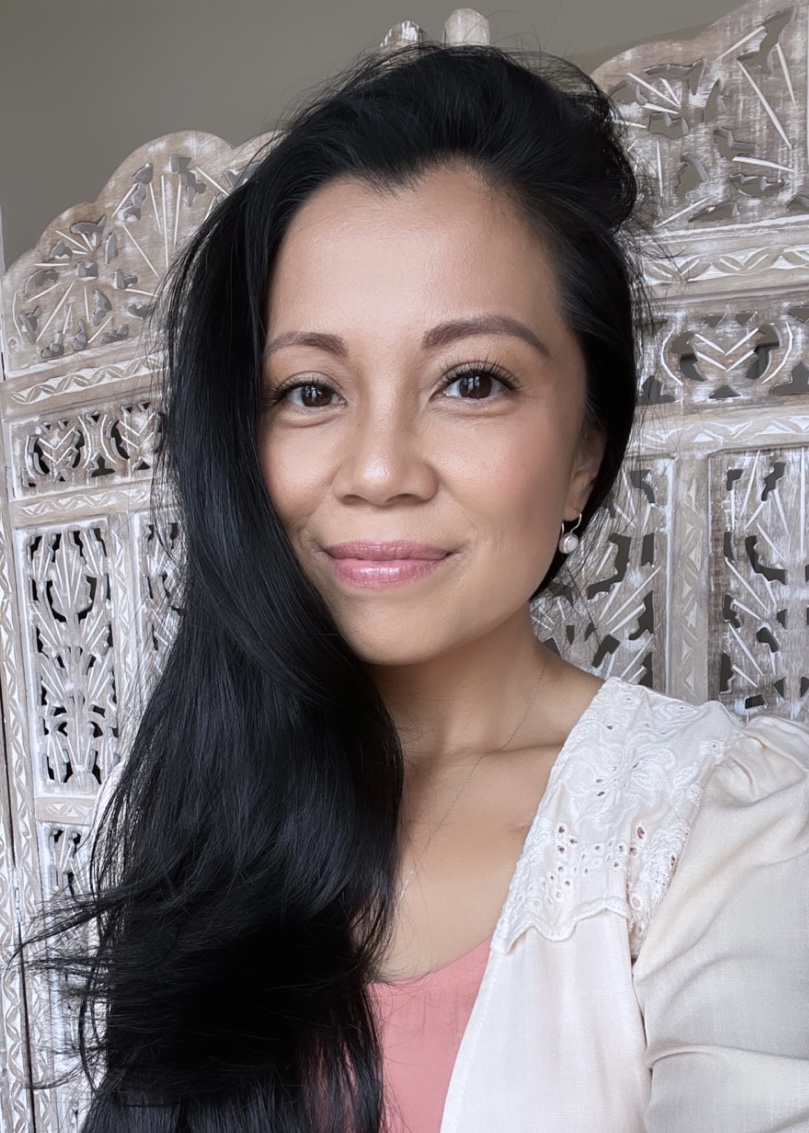
Dr. Jaclyn Tolentino is a Board-Certified Family Physician and the Lead Functional Medicine Physician at Love.Life. Specializing in women’s health and hormone optimization, she has been featured in Vogue, The Wall Street Journal, and Women’s Health. As a functional practitioner and a breast cancer survivor, Dr. Tolentino is dedicated to uncovering the root causes of health challenges, employing a holistic, whole-person approach to empower lasting wellbeing. Follow her on Instagram here for more insights.