
What Wellness Trends Are In For 2026 (And Which Ones To Leave Behind)

If you’ve been paying attention to wellness headlines lately, you’ve probably noticed two things happening at the same time.
On the one hand, we have more information than ever before. Wearables. Lab testing. Podcasts. Protocols. Influencers with morning routines that look more intense than a full-time job. Perhaps even a supplement stack that looks like you brought the whole store home with you. It’s a lot.
On the other hand, people are more exhausted, inflamed, anxious, and burnt out than ever. That tells us something really important: More information doesn’t always mean better health.
“More information doesn’t always mean better health.”
As we move into 2026, I see a clear shift happening in wellness. One that feels quieter, more grounded, and frankly, easier. Did I just hear you exhale with relief? Same.
We’re moving away from extremes and toward simplicity. Away from hacks and toward foundations. Away from “doing more” and toward doing what actually supports the body long term.
Here’s what I see is in, what needs to be left behind, and why this matters for real life.
Here are the wellness trends you’ll be seeing in 2026:
Nervous system regulation as preventative medicine
Treating the nervous system as an integral piece of the wellness puzzle is one of the most important shifts I’m seeing.
The nervous system is your body’s primary signaling network, linking the brain to hormones, metabolism, immunity, and digestion. Its main job is to assess safety, so when it stays in a stress response for too long, healing, hormonal balance, and repair all take a back seat.
Things like breathwork, somatic practices, vagal tone support, and trauma-informed care are no longer fringe ideas. They’re becoming central to how we understand health and our resilience.
“Things like breathwork, somatic practices, vagal tone support, and trauma-informed care are no longer fringe ideas.”
You cannot out-supplement, out-fitness, or out-discipline a dysregulated nervous system. This is why biohacking without biology, overtraining as “self-care,” and pushing through exhaustion are quietly falling out of favor. So prioritizing things that bring you peace isn’t just a good idea for your personal happiness, but your health, too.
Chronic stress rewires hormones, blood sugar, sleep, digestion, and immune function. Supporting the nervous system helps you counter the inevitable stress you’ll face in 2026. It’s foundational.
Metabolic health as the foundation
For a long time, metabolic health was treated as something you worried about only if you had diabetes or were trying to lose weight. That narrative is finally changing, and people are understanding that cellular health is the key to that vitality we’re all chasing.
Blood sugar regulation, insulin sensitivity, mitochondrial function, and metabolic flexibility are now being recognized as central to hormone balance, energy, mood, brain health, and longevity. This shift also moves us away from weight loss as the primary marker of health, and toward labs, strength, sleep, energy, and resilience instead.
“Cellular health is the key to that vitality we’re all chasing.”
This also means moving away from protein obsession as the end-all solution. Protein matters, but not in isolation. Metabolism thrives on balanced meals that include protein, fiber, healthy fats, and micronutrients working together. Extreme restriction, chronic fasting without context, and metabolic stress disguised as discipline are losing their shine here for good reason.
Your body doesn’t respond to macros on paper. It responds to patterns over time.
Data-informed (not data-obsessed) health
Wearables, lab testing, and biomarkers can be incredibly useful tools. They can also become overwhelming, anxiety-producing, and deeply misleading when they’re taken out of context or when used to compare your lifestyle to other people out-scoring you.
More data doesn’t automatically mean better health. In fact, I see the opposite all the time in my practice. People tracking everything, reacting to every fluctuation, and feeling worse than they did before they started testing. This is where hormone panic culture and “optimize everything” thinking often do more harm than good.
The shift we’re seeing for 2026 is intentional, strategic use of data, not constant monitoring.
“The shift we’re seeing for 2026 is intentional, strategic use of data, not constant monitoring.”
That means using labs and wearables to understand patterns, not obsess over single numbers. Looking at trends over time instead of chasing “optimal” ranges pulled from the internet. Interpreting biomarkers alongside real-life context like sleep, stress, cycle phase, nutrition, training load, and symptoms.
Because a slightly elevated cortisol level means something very different in a well-rested person versus someone running on four hours of sleep and caffeine. A glucose spike tells a different story depending on what you ate, how you slept, and how regulated your nervous system is that day.
This is where team-based, personalized care matters. Data is only helpful when someone knows how to read it through a whole-body lens and translate it into actionable, sustainable changes. Not fear. Not restriction. Not another rigid plan designed for someone else’s body.
In 2026, the goal isn’t to outsource intuition to an app or let numbers dictate your self-worth. It’s to use data as a conversation starter with your body and your health team. A way to ask better questions, make informed adjustments, and then step back into your life.
Data should inform your decisions, not dominate your days.
Testing and personalized insight
One of the most encouraging shifts heading into 2026 is how accessible and personalized health testing is becoming.
For a long time, meaningful data was only available once something was clearly “wrong.” Now, at-home testing platforms and more thoughtfully designed lab panels are giving people earlier access to information about their metabolic health, hormones, inflammation, and nutrient status. Companies like Joi & Blokes and Function Health are part of this broader movement toward accessibility, meeting people where they are and helping them engage with their health sooner rather than later.
This shift moves us away from one-influencer, one-protocol advice and toward care that’s actually responsive.
“At-home testing platforms and more thoughtfully designed lab panels are giving people earlier access to information.”
Most symptoms don’t appear overnight. Fatigue, hormone imbalances, gut issues, mood changes, and metabolic dysfunction develop quietly over time. Testing gives us a window into those early patterns, not as a diagnosis or a label, but as information. It helps us see how the body is adapting, compensating, or struggling long before things escalate.
But data alone isn’t the answer.
At-home testing, metabolic markers, inflammation panels, and microbiome insights are only as helpful as the context they’re interpreted in. A number on a page doesn’t mean much without understanding sleep, stress load, cycle phase, nutrition, movement, and real life. This is where personalized, physician-guided care matters.
In my work at Love.Life, testing is used as a starting point instead of a verdict. Labs help us ask better questions, not rush to fixes. They allow lifestyle changes to become strategic, supplements to be intentional, and interventions to be chosen based on what your body actually needs right now. This is the opposite of quick-fix detoxes or blanket reset protocols that ignore capacity and context.
This is where wellness is headed: fewer generic protocols, less guesswork, and more individualized care that respects both the data and the human being behind it.
Longevity as healthspan
Longevity has become a hot topic, which is a move in the right direction. What I’m seeing for 2026 is the shift from “how long can I live?” to a much more meaningful question: “How well can I live for longer?”
Living to 90 doesn’t mean much if the last decades are spent exhausted, inflamed, or disconnected from your body. Healthspan is about preserving what makes life feel livable: strength, mobility, mental clarity, emotional resilience, and the ability to participate fully in your own life. This reframes health away from aesthetics and toward function, capacity, and quality of life.
“Healthspan is about preserving what makes life feel livable: strength, mobility, mental clarity, emotional resilience, and the ability to participate fully in your own life.”
From a functional medicine perspective, longevity isn’t about chasing youth or avoiding aging. It’s about supporting the systems that help you adapt well over time. That means maintaining muscle mass, protecting bone density, stabilizing blood sugar, preserving cognitive function, and caring for the nervous system so stress doesn’t quietly erode health year after year.
Healthspan is also about daily function. Moving without pain. Sleeping well. Recovering from stress. Staying mentally sharp. Feeling connected to yourself and others. These are not outcomes of extreme protocols or punishment-based health plans. They’re built through consistent habits that support metabolism, hormones, inflammation, and resilience. And those habits make you feel better in the here and now, too.
Gut health beyond probiotics
Gut health conversations are finally growing up.
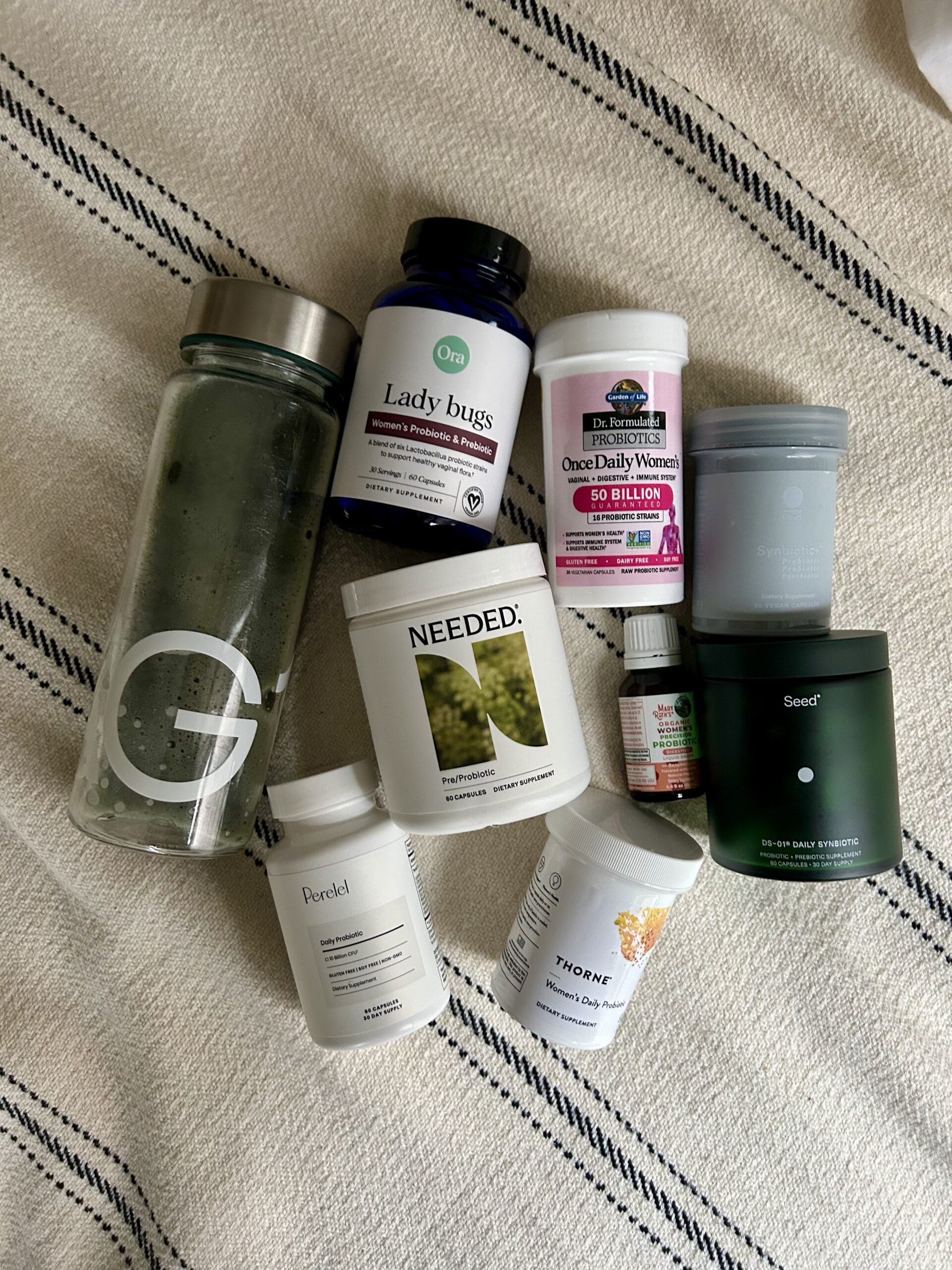
For years, the advice was simple: Add a probiotic and hope for the best. But we now understand that the gut is far more complex than a single supplement can address. It’s a central communication hub, constantly talking to the brain, the immune system, the skin, and the rest of the body. What’s happening in the gut rarely stays in the gut.
The focus is shifting toward gut barrier integrity, microbial function and diversity, digestive capacity, and how well the gut actually tolerates and processes food. This matters because the gut–brain connection influences mood, stress response, and cognitive clarity; the gut–immune connection shapes inflammation and immune resilience; and the gut–skin connection often shows up as acne, eczema, rosacea, or unexplained rashes long before labs raise red flags.
“The focus is shifting toward gut barrier integrity, microbial function and diversity, digestive capacity, and how well the gut actually tolerates and processes food.”
For example, this is where the “fiber maxxing” trend is evolving in a much more nuanced direction. Fiber is powerful, but more isn’t always better. What truly supports the gut is diverse, whole-food fiber that your body can tolerate and digest without creating bloating, inflammation, or stress. This moves us away from numbers-driven health and toward responsiveness and regulation. Different fibers feed different microbes, and diversity matters far more than hitting an arbitrary gram count.
From a functional medicine perspective, gut health is about information and response. How does your body react to certain foods? Are you breaking them down effectively? Are nutrients being absorbed? Is low-grade inflammation quietly simmering beneath the surface and showing up as fatigue, skin issues, immune flares, or mood changes?
When the gut receives the right signals, everything downstream improves. Blood sugar stabilizes. Hormone metabolism becomes more efficient. Immune activity calms. Energy, mood, and even skin health often follow.
The future of gut health isn’t about chasing trends or swallowing more capsules. It’s about personalization, understanding the process, and supporting the gut as the communication hub it truly is.
Personalization matters more than numbers.
If there’s a common thread through all of this, it’s this: Wellness is trending less flashy and more intimate.
Less about proving how disciplined you are, or what gadgets you have. Less about chasing every new metric or trend. More about understanding your body, supporting its systems, and giving it what it actually needs to function well.
“If there’s a common thread through all of this, it’s this: Wellness is trending less flashy and more intimate.”
More than anything, it points back to being able to hear your own voice, intuition, and body over all the noise out there. Because the world isn’t getting quieter, but we are becoming more empowered to listen inward and to work with people who can help interpret what’s actually best for us, not what’s being prescribed to everyone else.
That philosophy is at the heart of how I practice. Customization, context, and connection. These are the things that matter, and they’re going to matter even more as we move into 2026 and beyond.
Dr. Jaclyn Tolentino is a Board-Certified Family Physician and the Lead Functional Medicine Physician at Love.Life. Specializing in women’s health and hormone optimization, she has been featured in Vogue, The Wall Street Journal, and Women’s Health. As a functional practitioner and a breast cancer survivor, Dr. Tolentino is dedicated to uncovering the root causes of health challenges, employing a holistic, whole-person approach to empower lasting wellbeing. Follow her on Instagram here for more insights.