
How Women Can Biohack For Better Quality Of Life
Biohacking is no longer just a boys’ club. In the past few years, women have quietly infiltrated the scene — and we’re rewriting what it means to our health and longevity.
The movement once captivated early adopters chasing superhuman performance, but many of us are now seeking something far more grounded: Steady energy, increased resilience, and a life that feels expansive.
“Many of us are now seeking something far more grounded: Steady energy, increased resilience, and a life that feels expansive.”
Health optimization is available to all of us, not just those willing to “hack the system” by restricting their diets or pushing the limits of their human potential.
In the early days, biohacking resembled a Silicon Valley science experiment built on performance enhancement and metric manipulation. Its unofficial mascot, Dave Asprey, proudly crowned himself the “Father of Biohacking,” and inspired an entire generation of tech bros who willingly put butter in their coffee and strapped sensors on every limb.
Their goal was to upgrade their biology in the pursuit of longevity, often at the expense of quality of life. Strict bedtimes, restrictive protocols, meals manufactured for precise macros rather than enjoyment. It may have been longevity stripped of joy, but it did spark a broader conversation about health in a country struggling with chronic disease and a healthcare system that doesn’t prevent illness.
Now that health optimization has gone mainstream, it’s clear that biohacking takes many forms. And, if you ask most women about how they define their quest to optimize body, mind, or life, you’ll receive a more nuanced and sustainable approach.
Why women are the original biohackers
When it comes to female physiology, biohacking serves a different purpose — one that brings the body back to homeostasis. We want to extend our healthspan, the number of years that we live without disease or disability, not just make it to 100.
“When it comes to female physiology, biohacking serves a different purpose — one that brings the body back to homeostasis.”
Women already live longer than men (on average until 80), but we spend more of those years in poorer health, with higher rates of heart disease, dementia, and osteoporosis.
That said, women have always been biohackers. Our complex biology has always required us to adjust our diets, routines, and rituals based on our symptoms long before wearables existed.
We have a long lineage of healers, herbalists, and midwives who had their own form of biohacking without the Silicon Valley branding.
What I’ve learned from biohacking
I experimented with biohacking four years ago, and it transformed my health in a remarkably short time. Within 90 days, I reversed the early signs of prediabetes and cleared stubborn symptoms that had followed me since my twenties, including recurring acne and digestive issues.
At the advice of Dr. Molly Maloof, a physician specializing in female biohacking and functional medicine, I tried a continuous glucose monitor. That single device changed my entire approach to wellness. Seeing my blood sugar in real time showed me how every choice I made impacted my metabolism, which drives everything, including energy, digestion, brain function, and even long-term disease risk.
Over those three months, I gathered insights that allowed me to overhaul my daily habits. Everything improved, and it didn’t require an extreme routine. Simply by understanding my body’s responses and adjusting my meals and movement, I was able to keep my blood sugar steady.
“Over those three months, I gathered insights that allowed me to overhaul my daily habits. Everything improved, and it didn’t require an extreme routine.”
After that experience, I explored other evidence-based tools like peptides and red light therapy, which helped me recover from injuries in record time. It became obvious to me that thriving in this modern world doesn’t mean choosing between nature and technology. We can benefit from utilizing both — starting by supporting the foundations of health (whole foods, deep sleep, muscle maintenance) and layering in tools that give us more visibility into how our bodies work.
What the biohacking boom means for everyday health
According to Grand View Research, the global biohacking market is projected to reach $69 billion by 2030 based on the rapid growth of apps, at-home genetic test kits, wearable trackers, and consumer products that allow people to create personalized wellness protocols.
But, with this explosion of innovation, it’s harder than ever for the average person to figure out what to buy or where to start.
“With this explosion of innovation, it’s harder than ever for the average person to figure out what to buy or where to start.”
These days, almost nothing is off-limits in terms of optimization:
- Throne, a smart toilet-seat sensor, analyzes your bowel movements to monitor your gut health and urinary wellness.
- Feno, a newly launched “full-mouth smartbrush,” uses 18,000 precision bristles and an oral scanner to evaluate dental health in twenty seconds and predict risk for chronic disease.
The tools are impressive but mostly unnecessary to improve wellbeing. The real value of biohacking is understanding your body well enough to make more empowered decisions about your specific needs.
My protocol for biohacking in the real world:
So how should a wellness or fitness enthusiast navigate this wave of emerging technology and set realistic expectations for what it can do to improve quality of life and extend healthspan? Start with the tools that help you understand your biology and support the foundational pillars of health — diet, movement, sleep, and recovery.
“Start with the tools that help you understand your biology and support the foundational pillars of health — diet, movement, sleep, and recovery.”
In my coaching practice, I suggest that clients begin their biohacking journey by choosing one primary area of focus — then layer in supportive tools or practices as they work towards that goal.
Below are the biohacking tools I most often recommend, organized by category and usefulness. Scroll down to read through them all, or click the links below to follow topics you’re most interested in.
- Biosensors
- Biowearables
- Bio-tracking apps
- Environmental biohacking devices
- Recovery and regeneration tech
- Metabolic and musculoskeletal tools
- Skin regeneration
1. Biosensors
Internal sensors understanding what’s happening inside the body, typically in real time.
Continuous Glucose Monitor (CGM) + Levels App
- Now available without a prescription for anyone looking to manage blood sugar levels, a CGM (such as Stelo) is a small, painless sensor that you wear in your arm that tracks your glucose in real time.
- When paired with a lifestyle app like Levels, it can help you interpret the raw data to make changes to what you eat, how you sleep ,and when you move — all levers that can affect your glucose, energy, and long-term metabolic health.
- If you’re curious about this, you can read my deep dive: “How To Steady Your Glucose Levels With Or Without A CGM”.
Comprehensive Labs (from Function Health or Joi+Blokes)
- At-home lab testing lets you order comprehensive bloodwork panels without a doctor’s visit.
- These tests give you personalized insights into your hormones, inflammation and metabolic markers, as well as nutrient levels so you can address issues early and optimize proactively.
2. Biowearables
Physiology and recovery trackers for monitoring stress, sleep, readiness, and how well your body adapts to the stressors of your life.
Oura Ring
- This biowearable tracks sleep, heart rate variability (HRV), body temperature, and recovery, especially good for perimenopause when all of these levels fluctuate wildly
- They have partnered with complementary tracking apps like Apple Health, Clue, Natural Cycles, MyFitness Pal, Cronometer, and even Stelo, the over-the-counter CGM, for an integrated look.
WHOOP Strap
- The WHOOP is a wrist-based recovery tracker that measures strain, sleep, HRV, and stress load continuously.
- Best for fitness enthusiasts who want to understand how their workouts and lifestyle choices impact their cardiometabolic fitness, recovery, and healthspan.
- They are now offering Advanced Labs with 65 biomarkers that include a clinician-reviewed plan to tie together all of your data to reach your goals.
3. Bio-tracking apps
These apps monitor lifestyle and behavior, capturing and tracking habits, symptoms, or inputs to change behavior or analyze patterns. The menstrual cycle apps are excellent for collecting historical data, and the nutrition apps are helpful before (and during) any new protocol.
Menstrual tracking (from Clue or Natural Cycles)
- Both apps track menstrual cycles, hormonal patterns, and fertility windows.
- They help women understand their monthly periods, predict symptoms, and navigate perimenopause more intentionally.
Nutrition tracking (from MyFitnessPal or Cronometer)
- Both apps record what you eat (macronutrient breakdown and calories) to help you understand your patterns and change behavior.
- By logging detailed macro and micronutrient data, it helps with accountability while you optimize body composition and metabolism.
4. Environmental biohacking devices
For deliberately changing your environment through heat, humidity, or light to create controlled stressors and induce beneficial physiological responses.
Sauna (infrared or traditional)
- A sauna uses heat to raise your core temperature, improve circulation, and trigger detoxification and recovery.
- Regular use can reduce stress, improve sleep, support cardiovascular health, and boost metabolic rate. According to biomedical researcher and Founder of FoundMyFitness, Dr. Rhonda Patrick, PhD, one of the leading public educators on sauna science, frequent sauna use (4–7 times per week) is associated with a 40% lower risk of all-cause mortality. Her work helped popularize the landmark Finnish studies showing powerful cardiovascular, metabolic, and longevity benefits from regular heat therapy.
Red Light Therapy (Low-level laser therapy or photobiomodulation)
- Red and near-infrared light panels deliver wavelengths that help cells produce more energy (ATP).
- These panels, masks, handheld wands, or full body mats or beds all use LED or near-infrared hardware that can support skin health, collagen production, inflammation, muscle recovery, and overall cellular function.
5. Recovery and regeneration tech
For healing, reducing inflammation, and calming the nervous system.
Higher Dose PEMF Mat
- A PEMF mat uses pulsed electromagnetic fields to support cellular repair, calm the nervous system, and reduce inflammation.
- They’re simple to use at home for relaxation, recovery, and grounding the nervous system.
Hyperbaric oxygen therapy (HBOT)
- Originally developed and used for divers experiencing decompression sickness, HBOT delivers concentrated oxygen under pressure to accelerate healing, recovery, and tissue regeneration.
- It’s an excellent tool to enhance wound healing after surgery, reduce inflammation caused by autoimmune flares or long-haul viral symptoms, and for general cognitive enhancement.
6. Metabolic and musculoskeletal tools
For improving how your body builds muscle, burns fat, and measures true body composition, which is much more valuable than just “weight.”
Electrical muscle stimulation (EMS)
- EMS devices stimulate muscles with controlled electrical pulses to make your muscles contract more deeply and frequently than you’d be able to do on your own.
- The suit straps onto your biggest muscles (glutes, quads, core, biceps) to enhance strength, tone, and metabolic output without strain on your joints.
Hume Smart Scale
- Not your average scale, this device uses a safe, low-level electrical current to estimate body fat, muscle mass, and total body water so you can optimize body composition.
- These metrics, combined with your age, sex, height, and activity level, gives you a much more accurate picture of your metabolic health, especially for women looking to build muscle during perimenopause.
7. Skin regeneration
For stimulating collagen, repairing tissue, and improving firmness and radiance of the skin.
Microneedling treatments
- Microneedling is a minimally invasive procedure that creates controlled micro-injuries on the surface of the skin.
- It stimulates your body’s natural wound-healing response to produce fresh collagen and elastin — two proteins responsible for firmness, texture, and resilience.
Symbiome Stell Cell Serum
- Topical stem cell serums can boost natural collagen production and be used in conjunction with microneedling for faster cellular turnover.
- It’s a simple biohack found in the beauty aisle that is suitable for all skin types, but especially on mature skin.
How to avoid overwhelm
I’m a big fan of harnessing the power of biohacking to support overall health. However, it can be excessive. Can your devices offer too much data? Absolutely! I believe that the pendulum has swung from being in the dark about our biological metrics to becoming overwhelmed by them.
We’re becoming data-rich but often insight-poor. And, in an era where many people feed their personal data and health questions into ChatGPT (which are not HIPAA-compliant), what we truly need are meaningful insights that translate into sustainable, actionable steps. Ideally, that happens with the guidance of a clinician or a trained expert who can help interpret the information with empathy, context, and clear direction.
“Biohacking doesn’t need to be extreme, expensive, or overwhelming. The most effective practices are often the simplest ones.”
Biohacking doesn’t need to be extreme, expensive, or overwhelming. The most effective practices are often the simplest ones that stabilize blood sugar, prioritize sleep, build muscle, manage stress, and give us more freedom to do the things we love.
Start with one focus area, add tools that genuinely support your goals — and ignore the ones that strip joy, connection, or balance from your life.
The real upgrade isn’t about becoming superhuman but instead, evolving into the best version of yourself.
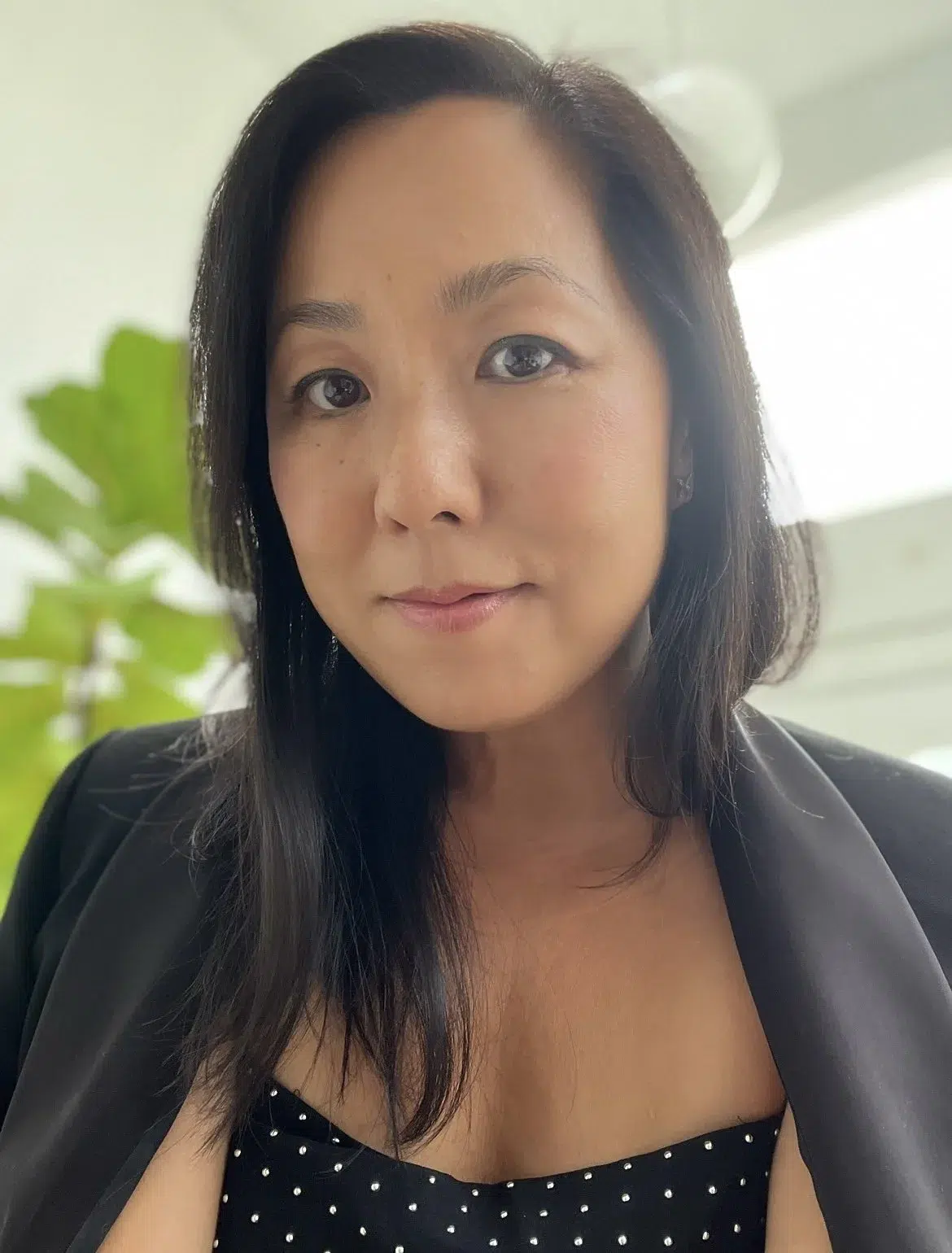
Celia Chen is a certified health optimization coach, brand consultant and founder of Chenessa, an advisory that offers private coaching, and corporate workshops on menopause, metabolism, and longevity. Follow her on Substack and Instagram for more wellness insights.